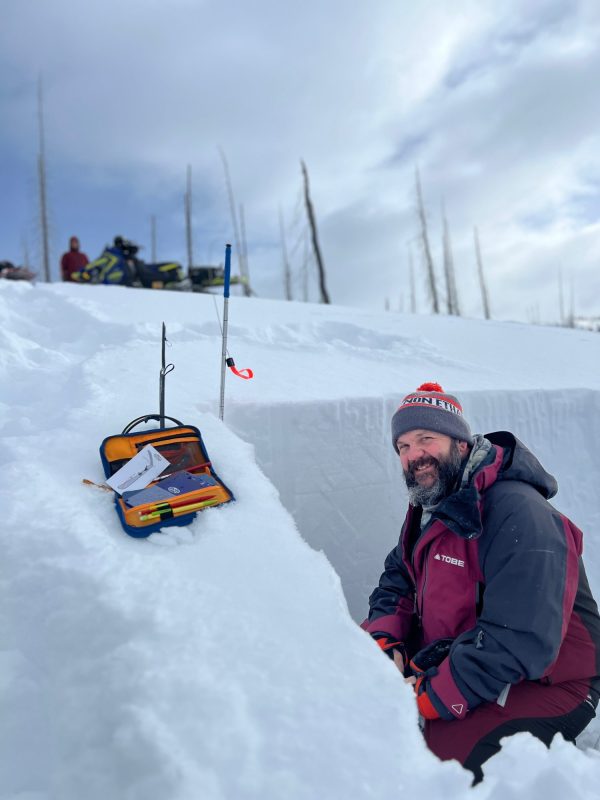
Kevin Cassidy

As one who both enjoys traveling through the snow and being responsible for leading others into these winter environments, the information and practices learned through avalanche education have become part of my daily routine from the first signs of snowfall through the last snow melt in the spring. I utilize forecasts, site data, observations, and group considerations to determine where the most fun will be found in the snow in the safest manner possible for everyone involved. I like to “Know before I go!”
Avalanche Education is a continuous process. I find each year I become a better practitioner through repetition, learning new information, reviewing key factors that determine my plan, meeting more like-minded winter enthusiasts, and staying current with new processes and technologies related to avalanche awareness and safety.
The bottom line is that if you have the desire and ability to recreate and travel in avalanche terrain, then avalanche education is important to your enjoyment and safety in the mountains, as well as being a responsible part of a broader community of backcountry users that require their peers to be practiced and knowledgeable about what avalanche education offers.


Paul Stadem

 I have been snowboarding my whole life and started sledding in 2020. I’ve been driving a truck for 19 years. I own a truck and work for myself.
Avalanche education has changed my life and helped me find real purpose. Not only has furthering my understanding of the mountain given me more confidence to enjoy the winter, but it has also given me a way to try to help other people be able to have fun and get home safely. My goal is to spread this information to my brothers and sisters in the backcountry who don’t know the risks that they are taking. I feel strongly that it is all of our responsibility to be as prepared as possible to keep ourselves safe and, more importantly, to be an asset in the mountains instead of a liability.

Matt Lewis

Avy education:
For years, I just followed my uncle through the mountains without much thought or concern. But over the last decade, things changed—I became the one leading most of the groups I ride with. That shift made one thing clear: real training isn’t optional, it’s essential.

Learning to understand terrain, snow, and snowpack, along with managing a group and making better decisions, has completely changed the way I ride. It’s not just about getting from point A to point B—it’s about bringing everyone home safely and confidently.

I’m a bit of a weather nerd, and I’ve learned that understanding the snowpack isn’t just about safety—it’s also the key to finding the good snow we’re all chasing. The more you understand the weather, the layers, and how it all comes together, the more you can read the mountain and put yourself exactly where the best riding is.

“Everybody comes home” isn’t just a saying for the fire service—it applies to the mountains, too. We all carry tools, but knowing how to use our avalanche safety gear, understanding go/no-go decisions, and recognizing changing conditions is what really matters.

With the right training and mindset, we don’t just stay safer—we also learn how to find the goods in a smart, managed, and intentional way. Good snow comes from good decisions, and good decisions bring everyone home.